
ZETA Defence develops solutions for RF Spectrum Monitoring & Management, ELINT, COMINT fields. Our capabilities include digital signal processing, highly parallel computation architectures (FPGA / GPU architectures with VHDL and CUDA C), IP Core development, high and low level software development, client-server architectures based on high performance reliable messaging structures, RF hardware simulation and design and systems engineering projects.
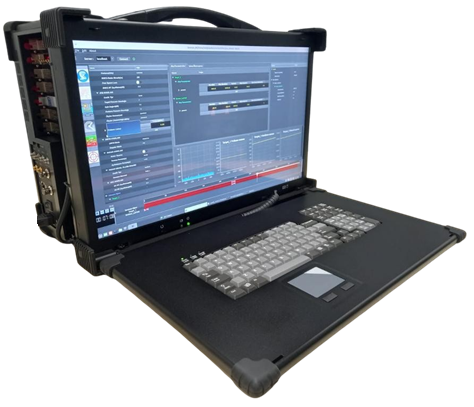
Advanced Radar Simulation for Real-World Readiness Spedis-TRX is a family of cutting-edge radar target and environment simulators designed to prepare your radar systems for successful field operation. Our simulators create a controllable, realistic RF environment, allowing you to thoroughly evaluate your radar's detection and tracking performance under even the most challenging conditions. Define complex operational scenarios to ensure your radar that include: • Dynamic target reflections • Realistic ground clutter • Sophisticated deceptive Electronic Countermeasures (ECM) • Diverse noise jamming entities
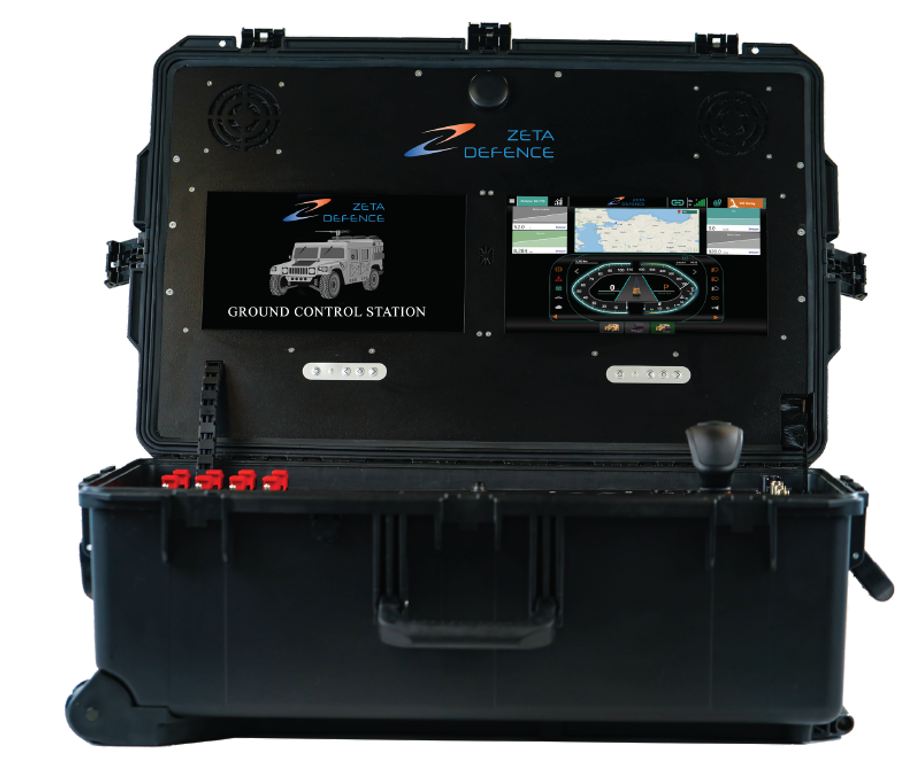
Zeta Defence's portable Ground Control Station (GCS) is a flexible, off-the-shelf, and universal solution for controlling unmanned vehicles and payloads. Its unique Modular Electronics Compartment (MEC) allows rapid installation of application-specific hardware. This adaptability enables the GCS to control UAVs, ground robots, bomb disposal robots, ROVs, and other robotic devices, alongside measurement and sensing equipment. The GCS features two 13.3-inch sunlight-readable displays , an advanced power distribution system with hot-swappable batteries, and status monitoring. Housed in a military-grade, rugged, and lightweight case, it's ideal for harsh environments.
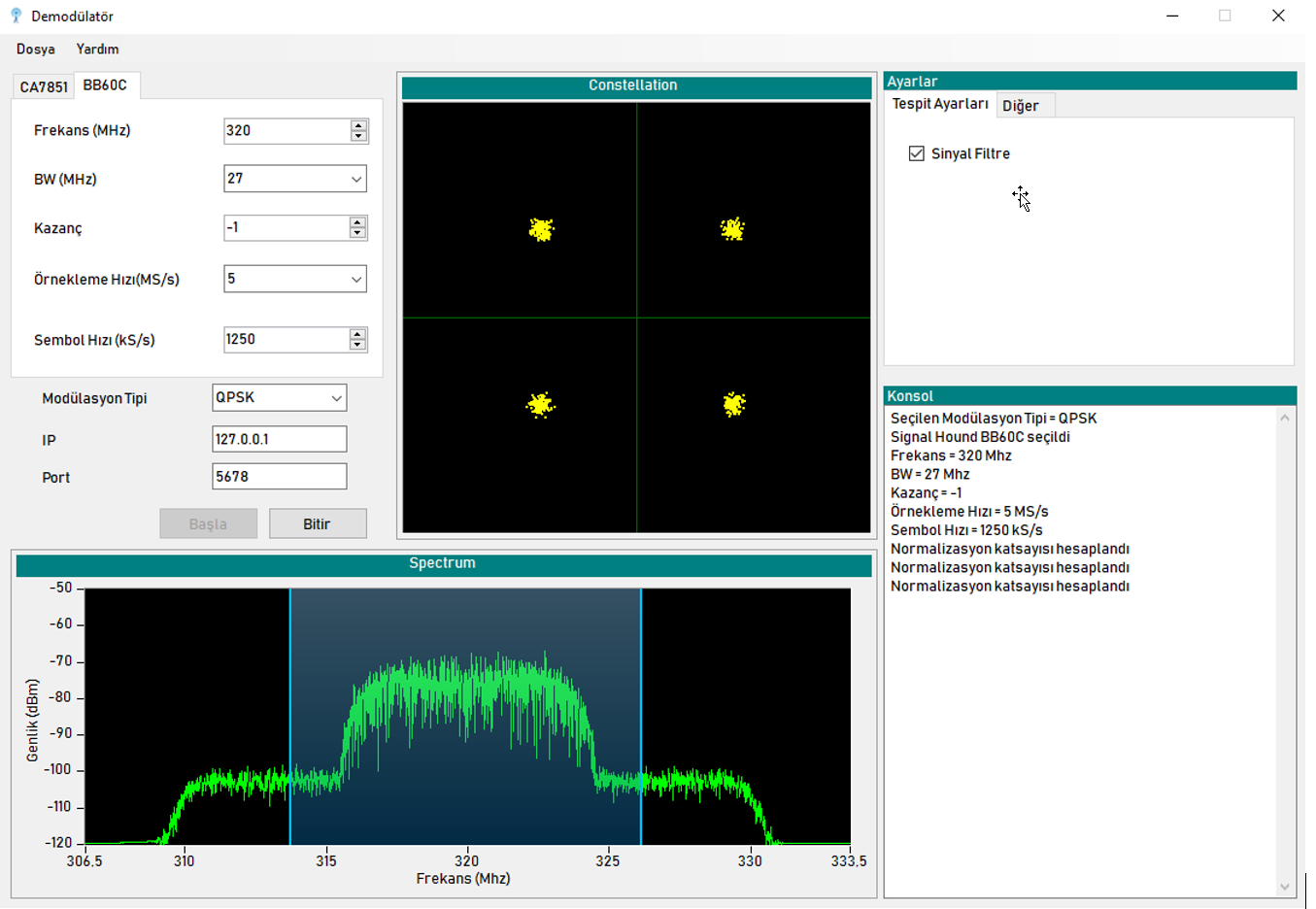
Radio-Z is a configurable real-time analysis tool that performs blind demodulation and bit-level decoding for SDH/PDH systems. The demodulator and decoder communicate via TCP or UDP, enabling remote demodulator operation. The decoder synchronizes with user-defined radio frames, accommodating synchronization bits at arbitrary positions. It removes overhead bits, performs multi-level demultiplexing based on user-defined control-justification bit positions, and executes various decoding operations. Finally, Radio-Z extracts E1 frames from multiplexed STM-1 or PDH frames. The resulting N x E1 stream is then delivered to a remote host via TCP or UDP.
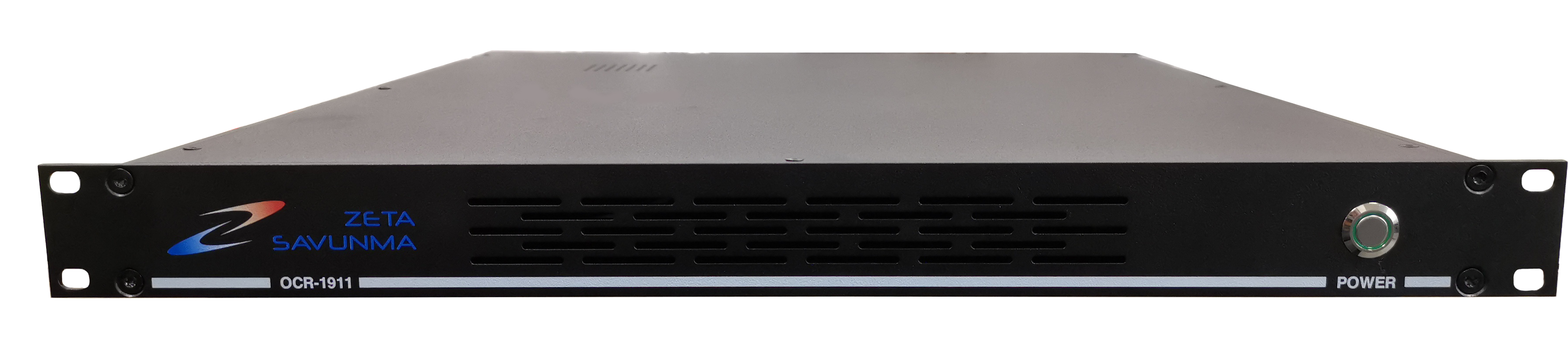
Wideband SDR for SIGINT OCR – 1911-2 from ZETA Defence is intended primarily for radiomonitoring and communications surveillance. It can be used with Oculus Z - Fully Automated Network- Centric Spectrum Analysis and Signal Intelligence System or any other 3rd party signal processing suite thanks to platform agnostic data streaming approach using 10 GbE over fiber. With the addition of optional dependent channels, up to 4 phase sync channels are possible and integrated preselector provides eliminates out of band effects in strong signal environments.
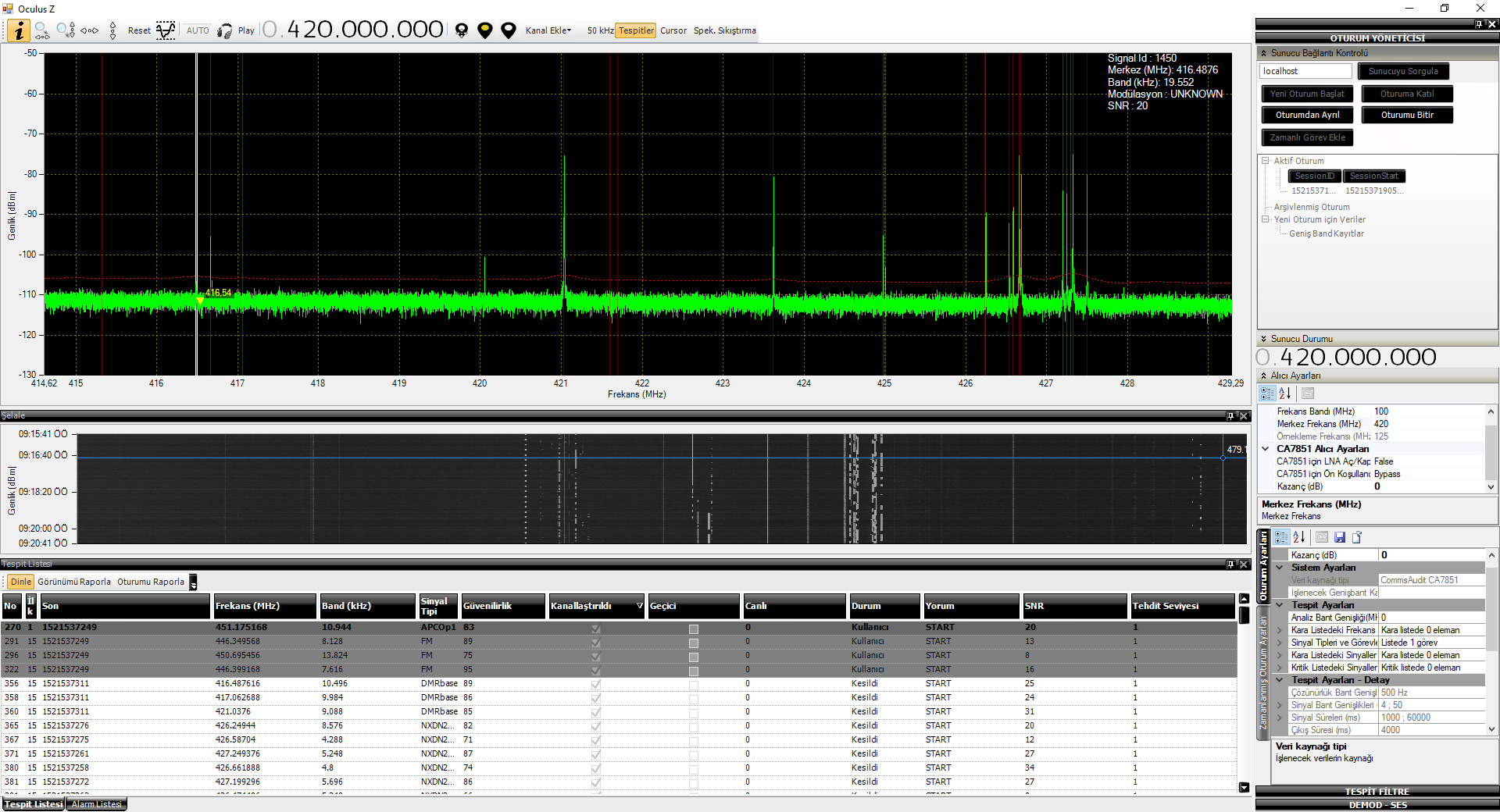
The Oculus Z is an automated, network-centric spectrum analysis and signal intelligence system for COMINT professionals. The system features a scalable, multi-client architecture that efficiently processes wideband data in the field, reducing bandwidth needs. It uses an advanced multi-channel DDC for crowded spectrums, offering up to 4096 channels and automatic signal classification. Oculus Z includes integrated wideband recording for re-analysis and can decrypt and store keys for various privacy and encryption schemes, synchronizing results across stations. It offers flexible integration via REST/Java APIs, supporting SQL databases and VITA-49 data sharing.
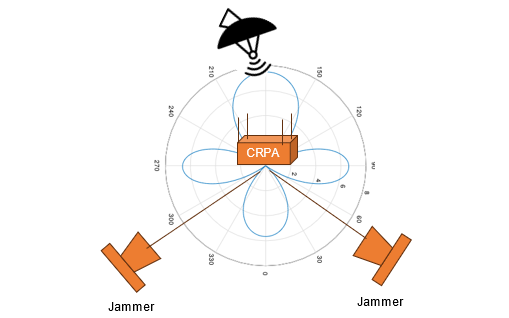
Radio links are essential for remote Command and Control, but they are vulnerable to jamming. A CRPA receiver can be deployed to counter jammers and re-establish the radio link under harsh radio conditions. Additionally, the CRPA can function as a beamformer, boosting reception signal power and enhancing link quality when no jamming is present. If jammers appear, the CRPA receiver intelligently assigns antenna pattern nulls towards the interference while simultaneously steering the antenna reception pattern beam towards the target transmitter. The CRPA algorithm operates blindly to compute these jammer-directed antenna nulls, though certain signal features can be utilized to optimize the antenna beam for the target signal.
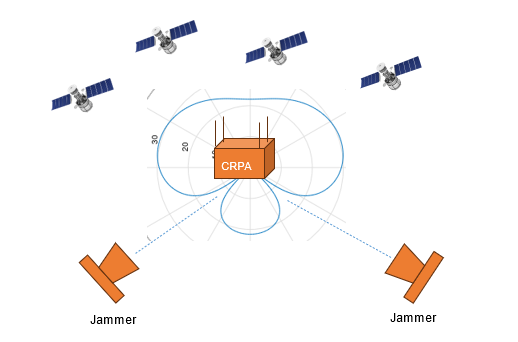
Controlled Radiation Pattern Array (CRPA) is a smart antenna array that provides directional reception against interferers and jammers. GNSS receivers are vulnerable to jamming and spoofing, often easily deactivated due to the low power level of GNSS signal reception. However, CRPA receivers can overcome jammers and spoofing by precisely assigning nulls in their generated antenna reception pattern. In this scenario, CRPA receivers can adaptively compute and adjust the antenna reception pattern based on changing conditions. The CRPA algorithm is entirely blind, computing antenna nulls in real-time to minimize the power of predominant jammer or spoofing signals.
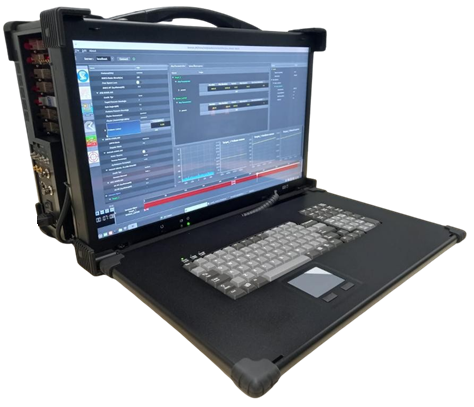
Spedis-TX is a family of cutting-edge electronic warfare (EW) simulators designed to rigorously prepare your passive radar or ELINT systems, Spedis-TX ensures successful operation in complex field environments. Our simulators create a controllable, high-fidelity RF environment, allowing you to precisely evaluate your Device Under Test. Define and generate complex signal agility modes to create realistic spectrums, with the ability to simulate up to 64 emitters simultaneously. This capability ensures comprehensive testing under diverse and challenging operational scenario. The Spedis- Spedis-TX supports operations up to 18 GHz with options to extend to 40 GHz and can be utilized for both direct injection and radiation modes.








Mobile Applications